Microlearning
Microlearning delivers training content in short, focused bursts that typically last 3-10 minutes. In hospitality, this approach fits naturally into busy operations where staff can't spend hours away from service for traditional training sessions.
All Gravy provides mobile-friendly microlearning modules designed specifically for hospitality teams to learn quickly between shifts or during downtime. Get a free demo.
What is Microlearning?
Microlearning in hospitality represents a training methodology that breaks complex topics into bite-sized, focused lessons that employees can consume quickly and apply immediately. Instead of four-hour training sessions on food safety, you deliver ten separate 5-minute modules on specific safety practices.
This approach works exceptionally well in restaurants and hotels. Your staff work irregular shifts, face constant interruptions, and need practical skills they can use immediately. Traditional classroom-style training doesn't fit these realities. Microlearning adapts training to how hospitality employees actually work and learn.
The format takes many forms: short videos demonstrating proper techniques, quick quizzes on menu items, brief mobile lessons on service standards, or 3-minute modules on new procedures. The common thread is brevity, focus, and immediate applicability.
Research shows people forget 70% of traditional training content within 24 hours. Microlearning improves retention to 80-90% by focusing on single concepts, enabling immediate practice, and facilitating easy review. When a server learns one wine-pairing principle at a time rather than attending a two-hour wine seminar, they retain more and apply it faster.
Why Microlearning Works in Hospitality Operations
The hospitality environment creates unique constraints that make microlearning more effective than traditional training.
Time scarcity defines hospitality operations. You can't pull servers off the floor for hour-long training during service. You can't schedule all cooks for the same training day. Microlearning fits into the gaps—10 minutes before a shift, 5 minutes during slow periods, or brief sessions during pre-shift meetings. This flexibility matches operational reality.
Immediate application reinforces learning. When a bartender watches a 4-minute video on a new cocktail recipe, then makes that drink during their shift, the learning sticks. Traditional training that covers fifty techniques in one session prevents immediate practice of any single skill. Microlearning's focus enables practice within hours of learning.
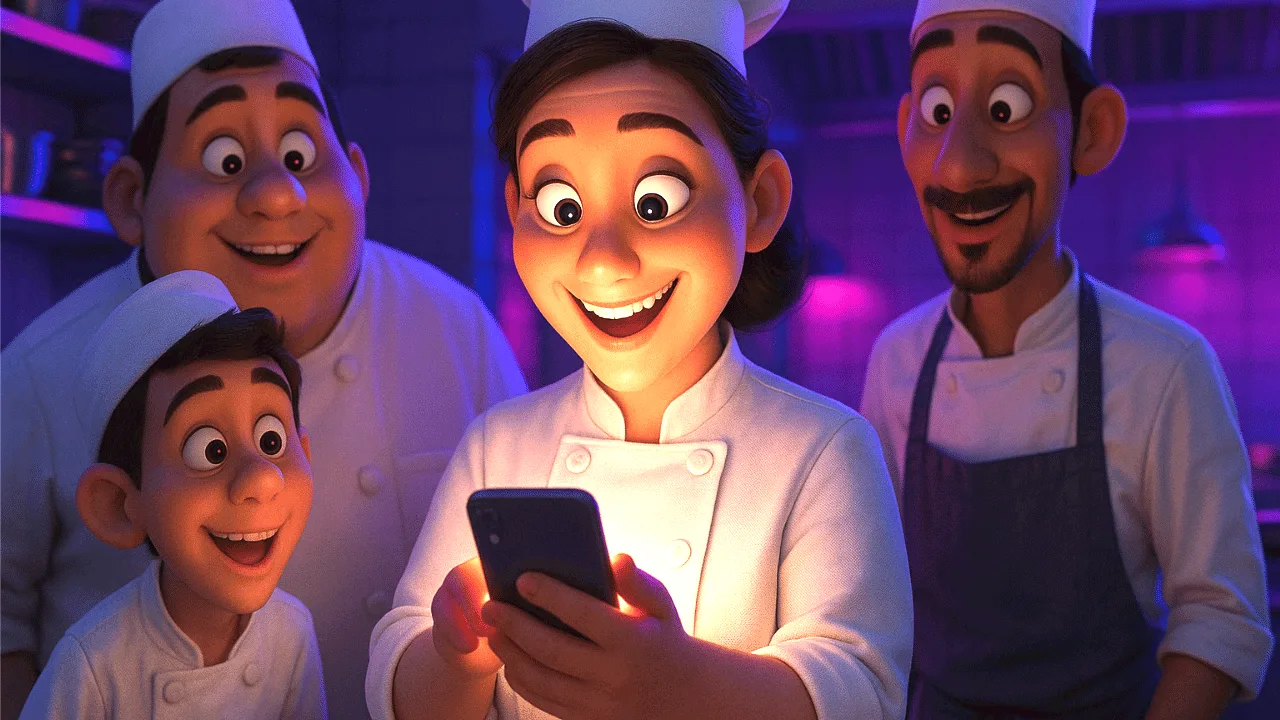
Mobile accessibility meets employee needs. Hospitality workers check their phones constantly. Microlearning modules they can access on mobile devices fit naturally into their behavior. Staff can review a service procedure on their phone five minutes before their shift. This on-demand access increases training completion rates by 40-50%.
Retention improves dramatically with spaced repetition. Instead of one intensive training session, microlearning delivers the same content across multiple short sessions over days or weeks. This spacing matches how the brain actually learns and remembers. Studies show microlearning improves long-term retention by 50-60% compared to single-session training.
Confidence builds incrementally. New hires overwhelmed by trying to learn everything at once make mistakes and quit. Microlearning breaks overwhelming amounts into manageable pieces. Employees master one thing, gain confidence, then tackle the next. This progressive mastery reduces stress and improves early retention.
What Makes Effective Microlearning for Hospitality
Not all short training qualifies as effective microlearning. Strong programs share specific characteristics that maximize impact.
Single-concept focus distinguishes microlearning from simply abbreviated training. Each module should address one skill, procedure, or concept. A module titled "Customer Service" is too broad. "How to Handle a Guest Complaint About Wait Times" hits the right specificity. Narrow focus drives retention.
Practical, actionable content matters more than theory. Hospitality employees need skills they can use immediately. Show them how to do something, not just why it matters. A video demonstrating proper plate presentation beats a slideshow about presentation principles. Demonstration trumps lecture.
Optimal length runs 3-7 minutes for most hospitality content. Shorter modules feel incomplete. Longer ones lose focus and exceed attention spans. Match length to complexity—simple procedures need 3 minutes, moderately complex topics need 5-7 minutes. Brevity forces clarity.
Visual and video formats work better than text in hospitality training. Most hospitality work is physical and visual. Videos showing proper techniques, photos of correct plating, or diagrams of table setups communicate more effectively than written descriptions. Show, don't tell.
Mobile-first design ensures accessibility. Hospitality employees don't sit at computers—they carry phones. Modules must display properly on small screens, load quickly, and work without perfect internet. Desktop-only training doesn't reach hospitality workers.
Assessment confirms learning. Quick quizzes or practice scenarios at the end verify comprehension. This isn't busywork—assessment catches misunderstandings before they become mistakes during service. Keep assessments brief (3-5 questions) but make completion mandatory.
Easy repetition enables review. Staff should be able to revisit any module instantly when they need a refresher. The night before a server picks up a wine section, they should review wine pairing modules in minutes.
How to Implement Microlearning in Your Operation
Success requires strategic planning and systematic execution, not just breaking existing training into smaller pieces.
Audit current training content. Review everything you currently teach—food safety, service standards, menu knowledge, equipment operation, POS systems, guest service. Identify which topics translate well to microlearning (most do) and which require in-person demonstration (few do).
Break content into discrete skills. Take each training topic and divide it into specific, actionable components. "Menu training" becomes 20 separate modules, each covering one dish or one section. Granular modules beat comprehensive ones for retention and flexibility.
Prioritize high-impact content first. Start with training that directly affects guest satisfaction, safety, or revenue—proper food handling, service recovery, upselling techniques, or common mistakes. Don't begin with rarely-used information. Focus on what matters most to operations.
Choose appropriate formats. Different content suits different formats. Complex procedures work well as videos. Menu knowledge fits quiz-based modules. Service standards might use scenario-based learning. Match format to content type.
Create or curate content. You can produce videos internally (surprisingly easy with modern phones), purchase hospitality-specific microlearning libraries, or adapt existing materials into shorter formats. Balance quality with speed—done beats perfect when you need training now.
Establish completion expectations. Define which modules are mandatory for which roles, what constitutes completion, and by when. Servers must complete all menu modules before taking tables alone. New hires complete orientation modules during their first week. Clear requirements drive accountability.
Integrate into workflow. Schedule specific microlearning during pre-shift meetings. Assign modules between shifts with reasonable deadlines. Create a culture where reviewing a quick module before handling something new is standard practice, not extra work.
Track completion and performance. Monitor which employees complete assigned training, identify those falling behind, and correlate training completion with performance metrics. Do servers who complete upselling modules actually sell more? Measure impact, not just completion.
All Gravy's microlearning platform provides ready-made hospitality modules plus tools to create custom content and track team progress.
Microlearning Topics for Restaurants and Hotels
Certain subjects particularly benefit from the microlearning approach.
Menu knowledge breaks naturally into module-per-item formats. Each dish gets a 3-5 minute module covering ingredients, preparation, allergens, and pairing suggestions. Servers can review their section's modules before each shift. New menu items become single modules added to the library.
Service procedures translate perfectly to short videos. Proper wine service, tableside preparation, coffee brewing, check presentation, or table setup each become brief visual demonstrations. Staff can watch and immediately practice during pre-shift prep.
Guest service scenarios work well as interactive modules. Present a situation—an angry guest, a special request, a complaint—and guide staff through effective responses. These scenario-based modules develop judgment and soft skills that complement procedural training.
Food safety and sanitation requirements become a series of specific practice modules rather than overwhelming certification courses. Proper handwashing, temperature control, cross-contamination prevention, and cleaning procedures each stand alone. Compliance training becomes manageable.
Upselling and sales techniques benefit from focused practice. One module on suggestive selling, another on wine recommendations, another on dessert descriptions. Staff learn one technique at a time and can apply it during the next shift.
Equipment operation for specific tools—espresso machine, dishwasher, reservation system, POS features—becomes equipment-specific modules. When someone needs to learn a new station, they access relevant modules immediately.
Best Practices for Microlearning Success
Make learning accessible anytime. Staff should be able to access modules whenever they need them—before shifts, during breaks, or at home. Remove access barriers that prevent learning.
Refresh content regularly. Outdated modules undermine the entire system. When menu items change, update or replace those modules immediately. When procedures evolve, refresh affected content within days. Currency matters.
Celebrate completion. Recognize employees who complete all required modules or maintain perfect compliance. Gamification elements like progress bars, badges, or leaderboards can boost engagement if used thoughtfully.
Gather feedback continuously. Ask staff which modules helped most, which confused them, and what topics need better coverage. Use this input to improve content quality over time.
Connect learning to performance. When employees apply microlearning effectively, acknowledge it. "I noticed you used that complaint-handling technique from the training—well done." Explicit connections reinforce the value of investing time in modules.
Keep mandatory assignments reasonable. Don't overwhelm staff with fifty required modules. Focus requirements on essential content and make additional modules optional for those seeking more knowledge.
Lead by example. Managers should complete modules and reference them during coaching. When leaders value microlearning, teams follow.
Operations that embrace microlearning achieve higher training completion rates, better knowledge retention, and faster skill development than those relying exclusively on traditional training. All Gravy makes it easy to deliver, track, and optimize microlearning for your hospitality team.